Blood Halloween Typeface for Modern Brand Identity
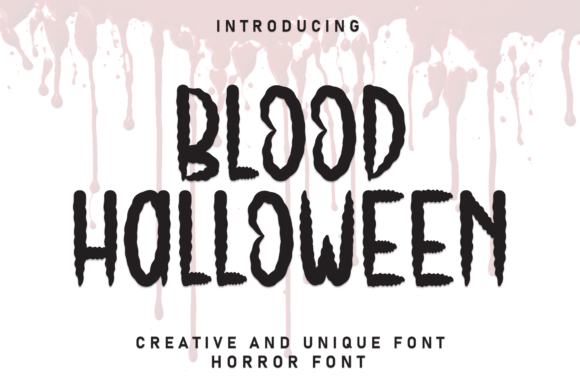
I opened a blank Figma file at 2 AM, staring at the white canvas of a new brand board. The client wanted a visual identity that felt approachable but distinct—something that didn’t scream "corporate" but also didn’t look like a generic template. That’s when I pulled up Blood Halloween. It wasn’t just another typeface in my library; it was the missing piece of the puzzle. This casual and neat display font combines simplicity with a friendly, approachable vibe, making it an ideal candidate for projects where personality matters as much as readability.
As a graphic designer, I spend most of my day testing fonts to see if they hold up under real-world scrutiny. I’ve used many Display Fonts over the years, but few have this specific balance of clean lines and subtle character. Blood Halloween features balanced letterforms and subtle rounded edges, which captures the essence of modern warmth without sacrificing professionalism. In this article, I’ll walk you through how I integrated this font into a branding project, from the initial logo draft to final packaging mockups, so you can decide if it fits your next creative endeavor.
Blood Halloween for Boutique Packaging and Product Labels
The first test for any font is always its legibility on small surfaces. For this project, the client was launching a line of artisanal skincare products, and the label size was quite limited. I placed Blood Halloween on a digital mockup of a glass jar label to see how it would perform. The font’s casual and neat display style immediately caught my eye. Unlike harsher serif fonts or overly rigid sans serifs, this typeface offered a softness that aligned perfectly with the brand’s promise of gentle, natural ingredients.
When designing product labels, every pixel counts. The subtle rounded edges of Blood Halloween prevent the text from feeling too sharp or aggressive, which is crucial for beauty and wellness brands. I noticed that even at smaller sizes, the balanced letterforms remained clear and inviting. This is a key advantage for packaging design, where space is premium and clarity is paramount. By using this font for the primary product name, we created an immediate sense of trust and friendliness. It’s not just about looking good; it’s about communicating the right mood before the customer even touches the product.
If you are working on similar commercial design assets, such as stickers, tags, or boxes, consider how the weight of the font interacts with negative space. Blood Halloween has enough presence to stand alone as a headline font but doesn’t overpower surrounding elements. This makes it versatile for short-form text, allowing you to pair it with simpler supporting typography without creating visual clutter.
Blood Halloween in Social Media Graphics and Digital Headers
After finalizing the packaging concept, I moved on to the digital side of the brand identity. Social media graphics require fonts that grab attention quickly, often within a split second as users scroll through their feeds. I tested Blood Halloween on Instagram post templates and website headers to evaluate its impact in a digital environment. The result was impressive: the font’s friendly, approachable vibe translated beautifully to screens, offering a human touch in a sea of algorithmic content.
For social media graphics, consistency is key. Using Blood Halloween across all platforms helped establish a cohesive visual language. Whether it was a promotional flyer for a launch event or a simple quote card, the font maintained its integrity. The clean lines ensure that the text remains readable even on mobile devices, where screen real estate is limited. I found that pairing this display font with a minimalist sans serif font for body copy created a perfect hierarchy. The contrast between the playful yet structured display font and the neutral supporting text allowed the brand message to shine without feeling chaotic.
One practical tip I learned during this phase is to always test your fonts in different contexts. What looks great on a desktop monitor might behave differently on a smartphone. Blood Halloween performed well across various resolutions, but checking the kerning and spacing on actual device mockups ensured that no letters were clipping or overlapping awkwardly. This attention to detail is what separates a amateur design from a professional brand identity.
Blood Halloween for Creative Studio Portfolios and Editorial Design
Beyond product branding, Blood Halloween proved to be a strong contender for editorial design and portfolio layouts. When designing a creative studio’s website or a printed lookbook, the choice of typeface sets the tone for the entire narrative. I experimented with using this font for section headers and pull quotes, and it added a layer of sophistication that felt both modern and timeless.
The balanced letterforms of Blood Halloween make it suitable for longer headlines, provided they are not excessively long. It works best as a headline font or accent font, drawing the reader’s eye to key information without demanding too much attention. For editorial design, this means you can use it to break up text blocks and guide the reader through the content smoothly. The font’s ability to capture a specific mood—casual yet neat—makes it ideal for lifestyle magazines, creative blogs, or artist portfolios where personality is central to the brand story.
When considering font pairing for editorial work, I recommend avoiding other highly decorative fonts. Instead, let Blood Halloween take center stage by pairing it with a classic serif font or a clean geometric sans serif font. This combination creates a dynamic tension that keeps the design interesting while maintaining readability. For example, using a traditional serif for body paragraphs grounds the design, while the display font adds a contemporary flair. This approach ensures that your design assets remain relevant and engaging over time.
Practical Tips for Testing and Implementing Blood Halloween
Before committing to Blood Halloween for a full brand system, I always advise designers to conduct thorough testing. Start by downloading the font files and exploring the included styles, alternates, and ligatures if available. Check the multilingual support to ensure the font covers the necessary character sets for your target audience. Understanding the technical specifications, such as file formats and commercial font licensing, is also crucial to avoid legal issues down the line.
Create a comprehensive brand board that includes the font in various applications: logos, business cards, website headers, and social media posts. This holistic view helps you assess how the font behaves in different contexts and whether it aligns with the overall brand strategy. Pay attention to how the font interacts with colors, images, and other design elements. Does it enhance the visual hierarchy? Does it contribute to brand recognition? These questions will help you determine if Blood Halloween is the right fit for your project.
Finally, remember that typography is more than just selecting a pretty font. It’s about solving communication problems. Blood Halloween offers a unique blend of simplicity and charm that can elevate your designs from ordinary to exceptional. Whether you are a freelancer, a creative studio, or a small business owner, investing in high-quality, purpose-driven fonts like this can significantly impact your brand’s perception. Take the time to explore its capabilities, experiment with different pairings, and watch as your designs come to life with newfound confidence and clarity.