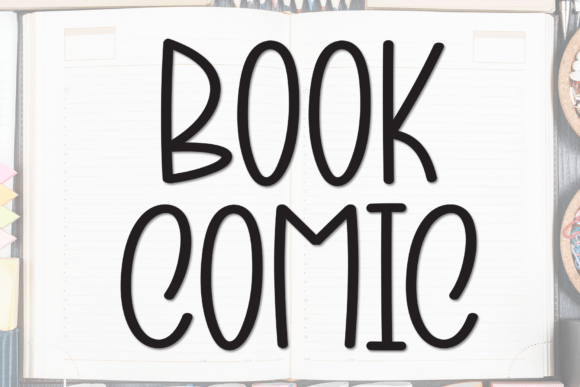
Book Comic Typeface for Handmade Labels and Shop Branding
I was sitting at my desk last Tuesday, surrounded by a chaotic spread of wax scraps, dried lavender buds, and half-finished candle labels, when I realized my current label design just wasn’t communicating the right vibe. The product itself was warm, cozy, and inviting, but the typography felt too rigid and corporate. That’s when I remembered Book Comic, a casual and neat display font that combines simplicity with a friendly, approachable vibe. Featuring clean lines, balanced letterforms, and subtle rounded edges, it captures the essence of what I wanted to convey: accessible luxury with a handmade touch. Swapping out the old typeface for this one instantly softened the entire look, making the jar feel like something you’d find in a boutique gift shop rather than a mass-produced warehouse.
Book Comic Display Font for Candle Labels and Product Packaging
When designing physical products like candles, soaps, or bath bombs, the packaging is often the first thing a customer sees before they even smell the scent. Using Book Comic as your primary display font allows you to create packaging that feels curated and thoughtful. Because it is classified under Display Fonts, it is designed to be read from a distance or at a glance, making it perfect for front-facing labels where the brand name needs to pop without shouting. I found that setting the main product name in Book Comic created an immediate sense of calm professionalism. The subtle rounded edges prevent the text from feeling harsh against natural textures like kraft paper or matte finishes. This font works beautifully for short phrases, ingredient lists headers, and decorative wording on jars, bottles, and boxes. It elevates the perceived quality of small-batch goods, signaling to buyers that attention to detail matters.
Enhancing Boutique Tags and Gift Wrapping Aesthetics
Beyond primary product labels, this typeface shines in the details that make unboxing an experience. I used Book Comic to design hang tags for my jewelry line and gift boxes for seasonal collections. The font’s neatness ensures that even small print remains legible, which is crucial for tags that might have limited space. When paired with simple ribbon or twine, the clean lines of the letters complement the organic materials perfectly. It brings a modern yet timeless feel to retail presentation. Whether you are creating tags for holiday markets or everyday e-commerce orders, using a creative font like Book Comic helps establish a consistent brand identity across all touchpoints. Customers remember how a product feels to hold, and well-chosen typography plays a huge role in that tactile emotional appeal.
Book Comic for Wedding Invitations and Stationery Design
Wedding stationery requires a delicate balance between elegance and readability, and Book Comic offers a unique solution for couples or designers looking for something distinctively modern. Unlike traditional script fonts that can become hard to read quickly, or stiff serif fonts that may feel too formal, this casual and neat display font strikes a charming middle ground. I tested Book Comic on a mockup for a rustic-chic wedding invitation suite, and the results were striking. The balanced letterforms provide structure, while the friendly approachability keeps the tone light and celebratory. It is particularly effective for titles, names, and key dates where visual impact is paramount. For longer text such as ceremony details, I recommend pairing it with a highly readable sans serif font or a simple serif font to ensure guests can easily read the information without straining their eyes.
Creating Printable Wall Art and Digital Downloads
For printable creators selling digital downloads on platforms like Etsy, typography is the entire product. Many customers purchase wall art specifically for the quote or phrase displayed. Book Comic is an excellent choice for inspirational quotes, nursery decor, or farmhouse-style signs because its aesthetic is versatile enough to fit various interior design styles. I created a series of printable greeting cards and planner covers using this font, and the versatility was evident. It looks great in bold weights for impactful statements and lighter weights for subtle accents. Since these are digital assets, having a font that renders cleanly on screens and prints sharply on home printers is essential. The font’s inherent clarity ensures that your digital products look professional whether viewed on a phone screen or printed on high-gloss photo paper. This reliability helps build trust with buyers who rely on your designs for their personal spaces.
Book Comic for Seasonal Crafts and Cricut Projects
If you use cutting machines like Cricut or Silhouette to create vinyl decals, stickers, or iron-on transfers, the structure of the font matters immensely. Complex scripts can sometimes cause issues with weeding or alignment, but Book Comic’s clean lines and balanced forms make it incredibly user-friendly for production. I used it to design a set of seasonal mug wraps and tote bag graphics, and the cut files came out perfectly. The font’s simplicity means less time spent troubleshooting misaligned cuts and more time focusing on layout and color combinations. It is also highly effective for creating cohesive seasonal collections, such as autumn harvest tags or winter holiday ornaments. The friendly vibe of the letters adds warmth to festive designs, making them feel personalized rather than generic. For crafters looking to streamline their workflow while maintaining a high-quality aesthetic, this display font is a practical and stylish asset.
Optimizing Readability for Small Stickers and Listing Images
In the world of online selling, your listing images need to grab attention instantly. When creating mockups for stickers, badges, or small product labels, legibility is key. Book Comic maintains its character even at smaller sizes, provided you leave adequate spacing between letters. I learned through trial and error that slightly increasing the tracking (letter spacing) enhances the airy, open feel of the font, making it easier to read on thumbnail-sized images. This attention to detail can significantly improve click-through rates. Additionally, when designing social media graphics or promotional banners, using Book Comic helps maintain brand consistency. It signals to your audience that your content is crafted with care. By integrating this font into your visual marketing strategy, you create a recognizable style that stands out in crowded marketplaces.
Technical Considerations for Commercial Use
Before incorporating Book Comic into your commercial products, it is important to review the specific licensing terms associated with the font family. While many display fonts allow for physical product sales, some may restrict the number of items you can produce or require a separate license for digital distribution. Always check if the font includes alternate characters, ligatures, or swashes that could add extra flair to your designs. Understanding the file formats included, such as OTF or TTF, ensures compatibility with your preferred design software, whether it is Adobe Illustrator, Photoshop, Canva, or Procreate. Furthermore, verifying multilingual support is crucial if your target audience speaks different languages. Ensuring you have the correct commercial font license protects your business and allows you to sell with confidence. By respecting intellectual property rights, you contribute to a sustainable creative economy and protect your reputation as a professional maker.
Pairing Strategies for Modern Typography
To maximize the impact of Book Comic, consider how it interacts with other typefaces in your design system. Because it has a strong personality, it pairs exceptionally well with minimal, neutral fonts. A clean sans serif font can serve as an excellent secondary typeface for body text, providing a functional contrast to the display nature of Book Comic. Alternatively, pairing it with a delicate handwritten font can add a personal, human touch for signatures or handwritten notes within your designs. Avoid pairing it with overly ornate serif fonts or bold display fonts that compete for attention, as this can create visual clutter. The goal is harmony. By letting Book Comic take the lead as the headline font, you allow its casual and neat character to shine, while supporting elements remain subtle and supportive. This hierarchy guides the viewer’s eye naturally through your design, enhancing both aesthetics and communication.