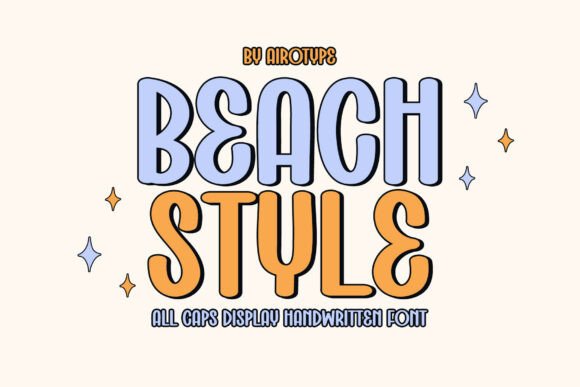
Beach Style: The All-Caps Display Handwritten Font for Relaxed Editorial Design
I was sitting at my desk, staring at a blank canvas for a new summer-themed coaching workbook, when I realized that the visual tone needed to shift. The previous draft felt too corporate, too rigid, and entirely disconnected from the calm, restorative message of the content. I needed something that whispered "slow living" without sacrificing professional polish. That is when I pulled Beach Style into my design software. It wasn't just about picking a typeface; it was about curating an atmosphere. As an all-caps display handwritten font, Beach Style immediately introduced a playful yet sophisticated energy that transformed the entire layout from sterile to inviting.
Beach Style for Lifestyle Blog Headers and Digital Magazine Covers
When designing headers for a lifestyle blog or a digital magazine cover, the first impression is everything. Beach Style serves as a powerful anchor in these spaces because its bold curves and smooth lines command attention without shouting. In my recent project redesigning a newsletter graphic for a wellness brand, I used this font to create a focal point that felt effortless. The character of the letters mimics the natural flow of hand-lettering but with the structural integrity required for high-resolution web displays. Unlike standard script fonts that can become illegible at large sizes, the all-caps structure of Beach Style ensures that every headline remains crisp and readable on mobile devices. This balance of personality and clarity makes it an ideal choice for editorial designers who want their publication identity to feel modern, approachable, and distinctly human.
Beach Style in Printable Planners and Coaching Workbooks
The tactile nature of printables requires typography that feels personal and encouraging. I tested Beach Style extensively in a printable planner layout intended for creative entrepreneurs. The goal was to make the user feel supported rather than managed. By using this handwritten font for section dividers and motivational pull quotes, the document gained a warm, conversational rhythm. The font’s relaxed vibe aligns perfectly with the self-care and productivity niches, where the aesthetic needs to be uplifting. When paired with a clean sans serif font for the functional data fields, Beach Style provides excellent visual hierarchy. It guides the eye through the page, signaling important moments while keeping the instructional text neutral and easy to scan. This combination demonstrates how a premium font can elevate simple PDF templates into cherished digital assets.
Beach Style for Wedding Invitations and Elegant Branding
While often associated with casual summer themes, the refined strokes of Beach Style also lend themselves beautifully to elegant branding and wedding stationery. I recently assisted a client who wanted a beach-inspired wedding theme that avoided clichés. We utilized this display font for the main invitation titles, where its all-caps format provided a sense of formality and weight. The handwritten aspect softened the edges, making the invitation feel intimate and bespoke. For such projects, the versatility of Beach Style shines; it bridges the gap between formal serif traditions and casual script trends. Whether used for save-the-dates, menu cards, or logo design elements for a boutique resort, the font delivers a consistent mood of relaxed luxury. Its ability to convey sophistication while remaining fun makes it a standout option among contemporary display fonts.
Beach Style for Ebook Titles and Course Cover Art
In the crowded marketplace of digital products, cover art must stop the scroll. I applied Beach Style to a series of ebook covers for a travel photography course, and the results were striking. The font’s distinct letterforms created immediate brand recognition across the product line. Because it is a display font, it excels in short bursts of text, making it perfect for titles, subtitles, and chapter openers. However, it is crucial to remember that Beach Style is not designed for long-form body copy. Using it for paragraphs would hinder readability and fatigue the reader. Instead, I reserved it for the primary messaging layers—where the hook lives. This strategic application ensures that the audience engages with the core value proposition instantly. When exporting these designs for platforms like Amazon KDP or Teachable, the high-contrast nature of the font ensures it remains legible even as a small thumbnail image.
Font Pairing Strategies for Editorial Consistency
Selecting the right companion typeface is just as important as choosing the hero font. In my workflow, I consistently pair Beach Style with highly readable serif fonts for body text or clean geometric sans serifs for captions and navigation. This contrast creates a dynamic tension that keeps the layout interesting. For instance, in a recipe ebook, I might use Beach Style for the dish names and ingredient highlights, while relying on a traditional serif for the cooking instructions. This separation of roles allows the handwritten font to act as a decorative accent that enhances the mood without interfering with comprehension. It is essential to check the included styles and weights before finalizing your pairing. Some versions of this font may offer multiple alternates or ligatures that can add extra flair to specific words, allowing for further customization within your editorial design system.
Technical Considerations for Commercial Use
Before integrating Beach Style into any commercial project, whether it be a paid newsletter, client publication, or digital download, thorough due diligence is required. Designers must verify the licensing terms to ensure compliance with commercial font usage rights. Additionally, checking the file formats available—such as OTF, TTF, or WOFF—is vital for cross-platform compatibility. If you are designing for web, ensuring the font renders correctly across different browsers will maintain the integrity of your brand identity. The multilingual support should also be reviewed if your content targets international audiences. By paying attention to these technical details, you protect your work and ensure that the visual experience remains seamless. Ultimately, investing time in selecting the right display font pays dividends in audience engagement and perceived value.
Why Beach Style Elevates Modern Typography
The decision to use Beach Style is ultimately a decision to prioritize mood and connection in your design. In an era where digital content can feel impersonal, a handwritten font adds a layer of authenticity that resonates with readers. Its all-caps structure offers stability, while its curves provide warmth. This duality makes it incredibly versatile for bloggers, publishers, and independent creators who need to establish a strong yet friendly presence. Whether you are crafting a social media graphic, a book cover, or a full editorial spread, this font brings a cohesive narrative thread to your work. It reminds us that typography is not just about conveying information; it is about setting the stage for the story. By choosing Beach Style, you are choosing a tool that helps build a better reading experience, one carefully crafted letter at a time.