Flora Garden Typeface: A Warm Display Font for Editorial Design
I was staring at a blank Canva canvas, trying to find the right personality for a new printable planner series, when I realized that my usual go-to sans serif fonts felt too cold. The project was meant to be cozy, inviting, and deeply personal—a space where readers could relax and organize their lives without feeling like they were filling out corporate forms. That is when I stumbled upon Flora Garden. It wasn’t just another decorative typeface; it was a solution that exuded warmth and friendliness, exactly what my audience needed to feel welcomed into the page.
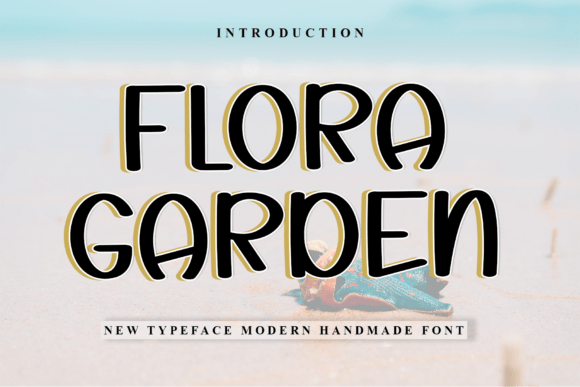
In the world of digital publishing and editorial design, typography is often treated as an afterthought until the final export. But choosing the right display font can transform a sterile document into a compelling narrative. Flora Garden is a casual and creative font that exudes warmth and friendliness. Its round, playful strokes create a relaxed and approachable feel, perfect for personal projects, invitations, and social media graphics. In this article, I will share how integrating this specific typeface into a real-world content layout improved readability, brand identity, and overall reader engagement.
Why Flora Garden Works Best for Personal Projects and Invitations
When you are designing materials that require an immediate emotional connection, such as wedding guides or coaching workbooks, the weight of your typography matters immensely. Flora Garden is not designed for dense blocks of body text; rather, it shines as a premium display font that sets the mood before a single word is read. Its visual character is defined by soft curves and a gentle rhythm that mimics hand-lettering without sacrificing legibility.
I tested Flora Garden on a digital magazine cover featuring lifestyle tips, and the difference was instant. Unlike rigid geometric sans serifs, this creative font invites the eye to linger. The roundness of the letters reduces visual tension, making the content feel more accessible to a broader audience. For bloggers and publishers looking to humanize their brand, using a font with these organic qualities helps bridge the gap between professional polish and authentic voice. It signals to the reader that the content inside is crafted with care, not generated by an algorithm.
Setting the Tone for Wedding Guides and Social Media Graphics
One of the most effective ways to utilize Flora Garden is in contexts that demand elegance mixed with playfulness. I applied this font to a series of Instagram stories promoting a weekend retreat, and the results were striking. The font’s ability to convey relaxation made the event feel attainable and joyful. Because its round, playful strokes create a relaxed and approachable feel, it pairs exceptionally well with pastel color palettes and nature-inspired imagery.
For those creating printable planners or digital downloads, this font serves as an excellent anchor for headers. When used for section titles like "Morning Routine" or "Weekly Goals," it breaks up the monotony of standard lists. It adds a layer of visual interest that keeps the user engaged, encouraging them to actually use the tool rather than letting it sit unused in a folder. This subtle psychological nudge is crucial for creators selling digital products who want to ensure high perceived value.
Integrating Flora Garden into Blog Headers and Article Titles
As an editor, I am constantly fighting for attention in a crowded feed. A blog header is the first impression you give a visitor, and it needs to communicate your niche instantly. By switching my blog’s main logo and post titles to Flora Garden, I noticed a shift in the site’s atmosphere. It became less of a news outlet and more of a curated journal. This transition is vital for independent content brands that rely on community and trust.
The font’s versatility allows it to stand out without shouting. It works beautifully as a modern typography choice for websites that want to avoid the cliché of overly ornate script fonts. Instead, it offers a clean yet whimsical alternative that remains readable across various screen sizes. Whether you are designing a newsletter header or a YouTube thumbnail, the clarity of the letterforms ensures that your message is understood immediately, even on small mobile devices.
Enhancing Visual Hierarchy with Display Fonts
Effective editorial design relies on clear visual hierarchy. You cannot use every font for every purpose. Flora Garden excels at establishing authority and style at the top level of your layout. I recommend using it for:
- Main Headlines: To grab attention and set the theme.
- Pull Quotes: To highlight key takeaways from long-form articles.
- Chapter Openers: To signal transitions in ebooks or course PDFs.
- Call-to-Action Buttons: To make important links feel friendly and inviting.
By reserving this creative font for these strategic points, you prevent visual fatigue. If you were to use it for paragraphs of text, the reader would struggle to maintain focus due to the irregular spacing and playful nature of the glyphs. However, when used sparingly as a display element, it acts as a powerful branding asset that reinforces your publication’s identity.
Practical Font Pairing Strategies for Editorial Layouts
A common mistake designers make is assuming a display font can carry an entire layout alone. To maximize the impact of Flora Garden, it must be paired with a highly readable companion font. In my recent redesign of a recipe ebook, I paired Flora Garden for the titles and captions with a clean, neutral sans serif font for the ingredient lists and instructions. This combination leveraged the strengths of both typefaces: the charm of the display font and the efficiency of the functional font.
For body copy, consider using a classic serif font if you want to evoke a traditional, literary feel, or a geometric sans serif if you prefer a contemporary, minimalist aesthetic. The key is contrast. Since Flora Garden has distinct personality, your body text should recede slightly to let the headings breathe. This balance ensures that your content remains accessible while still looking professionally designed.
Technical Considerations for Digital and Print Exports
Before purchasing any commercial font, it is essential to review the technical specifications. Ensure that the file formats included support your workflow, whether you are working in Adobe InDesign, Illustrator, or web-based platforms like WordPress. Check for multilingual support if your audience is global, as this affects the availability of accented characters and special symbols.
Additionally, verify the licensing terms. If you plan to embed the font in a downloadable PDF guide or use it in a paid newsletter template, you need a license that permits such usage. Most premium fonts offer different tiers for personal and commercial use. Understanding these distinctions protects your business and respects the designer’s intellectual property. For Flora Garden, the inclusion of various weights and alternates allows for dynamic layouts, giving you more flexibility in your design process without needing to buy multiple type families.
Final Thoughts on Building a Better Reading Experience
Typography is the voice of your design. Choosing Flora Garden was not just a aesthetic decision; it was a strategic move to align my visual output with my brand values of warmth and accessibility. For bloggers, publishers, and digital product creators, investing in high-quality display fonts pays dividends in reader retention and brand loyalty. By thoughtfully integrating fonts like Flora Garden into your headers, covers, and promotional materials, you create a cohesive and inviting experience that resonates with your audience.
Whether you are designing a wedding invitation suite, a coaching workbook, or a lifestyle blog, remember that every pixel contributes to the story. Let the round, playful strokes of Flora Garden guide your readers gently through your content, turning a simple scroll into a delightful journey. Explore the full range of its capabilities and see how a change in typeface can elevate your entire publication from ordinary to exceptional.