Jollybean: A Playful Display Font for Youthful Editorial Design
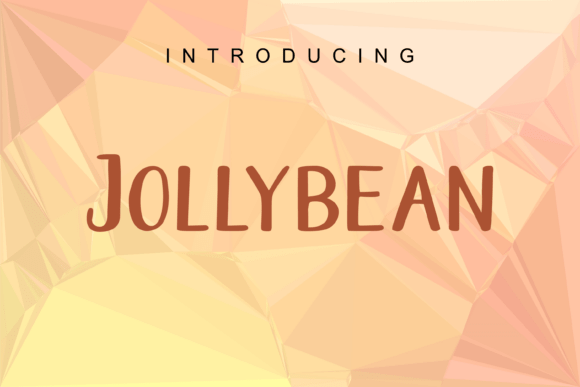
I was staring at a blank Canva canvas, trying to break the monotony of a standard sans-serif header for a digital coaching workbook. The content was serious—actionable steps for mental wellness—but the visual identity felt too sterile. It lacked warmth. That is when I decided to test Jollybean, a playful all-caps display font with a fun and cheerful vibe. Within minutes, the entire mood of the page shifted. Its rounded and quirky shapes make it perfect for projects that need a youthful, casual, and friendly touch. This versatile font didn't just sit on the page; it invited the reader in, transforming a rigid worksheet into an approachable guide.
Why Jollybean Elevates Lifestyle Blog Headers and Newsletter Graphics
When designing for lifestyle blogs or creator newsletters, the headline is often the first point of emotional connection. Using Jollybean as your primary display font immediately signals that the content is accessible and engaging. Unlike stiff corporate typefaces, this creative font brings a sense of movement and personality to static text. For instance, when I applied Jollybean to the header of a weekly newsletter graphic, the rounded terminals softened the message, making the subscriber feel welcomed rather than marketed to. Because it is a display font, it commands attention without requiring aggressive sizing or heavy weights. The quirky details in each letterform add character that generic fonts simply cannot replicate, helping independent brands establish a distinct voice in crowded social media feeds.
Building Brand Identity with Cheerful Typography
A consistent brand identity relies heavily on typographic choices that reflect core values. If your publication or product line targets a younger demographic or focuses on joy-driven topics like parenting, hobbies, or self-care, Jollybean serves as an excellent anchor. Its all-caps structure provides stability, while the irregular curves prevent the design from feeling robotic. I found that using this font for pull quotes or section dividers in a long-form article added visual rhythm. It breaks up dense text blocks effectively, guiding the eye down the page with a light, bouncy energy. This subtle interplay between structure and playfulness helps maintain reader engagement over longer reading sessions.
Optimizing Digital Magazines and Printable Planners
In the realm of digital magazines and printable planners, hierarchy is everything. You need elements that stand out without overwhelming the user interface. Jollybean excels in these environments because its unique silhouette ensures legibility even at smaller sizes, provided it is not used for body copy. When I redesigned a cover layout for a seasonal digital magazine, swapping the traditional serif header for Jollybean made the title pop against a pastel background. The font’s inherent cheerfulness aligned perfectly with the spring theme, creating an immediate association with freshness and optimism. For printable sellers, this means higher perceived value; a well-chosen display font can elevate a simple PDF into a premium design asset.
Enhancing Readability Through Strategic Placement
While Jollybean is expressive, its strength lies in strategic placement. In editorial design, we must balance aesthetics with function. I tested the font in various contexts within a course PDF, using it exclusively for chapter titles and key takeaways. The result was a document that felt structured yet inviting. The rounded shapes reduce visual fatigue compared to sharp, angular fonts, which can sometimes feel harsh on screens. By reserving Jollybean for high-impact areas, such as module headers or call-out boxes, you preserve readability for the instructional text below. This approach ensures that the typography supports the content rather than competing with it, a crucial principle for any professional designer.
Pairing Jollybean with Serif and Sans Serif Fonts
No display font exists in isolation, and successful editorial design depends on thoughtful font pairing. Jollybean works best when contrasted with cleaner, more neutral typefaces. I paired it with a classic serif font for body text in a recipe ebook project. The juxtaposition of the quirky, modern display font against the traditional reliability of the serif created a balanced composition that felt both trendy and trustworthy. For navigation menus or captions, a clean sans serif font provided the necessary clarity. This triad of fonts—display, serif, and sans—covers all bases: attention-grabbing headlines, comfortable reading, and functional utility. Avoid pairing Jollybean with other decorative or script fonts, as the combination can quickly become chaotic and difficult to parse.
Considerations for Commercial Licensing and File Formats
Before integrating Jollybean into client publications or commercial templates, it is essential to review the licensing terms carefully. As a premium font, it may come with specific restrictions regarding the number of end users or print runs. Ensure you have the appropriate commercial license if you are using the font in paid newsletters, sold digital downloads, or branded packaging. Additionally, check for included styles such as ligatures or alternate characters that might enhance your design flexibility. Most modern font packages include OpenType features that allow for smoother integration into complex layouts. Understanding these technical details upfront prevents legal issues and ensures your final deliverables are polished and professional.
Limitations of Jollybean in Formal Editorial Contexts
While Jollybean is delightful, it is not a universal solution for every typography challenge. Its playful nature makes it unsuitable for formal reports, legal documents, or academic papers where neutrality is preferred. Similarly, using it for dense paragraphs or small captions will hinder readability due to its distinctive shapes. The font shines brightest in short bursts of text where impact matters more than volume. I learned this the hard way when I initially tried to use it for subheadings in a data-heavy infographic; the results were cluttered and confusing. By restricting Jollybean to titles, logos, and decorative accents, you respect its design intent and ensure your layout remains clear and effective.
Final Verdict for Content Creators
For bloggers, publishers, and digital product creators seeking to inject personality into their work, Jollybean is a standout choice. Its ability to convey friendliness and youthfulness makes it ideal for projects that aim to connect emotionally with the audience. Whether you are crafting a wedding guide, a fitness tracker, or a personal blog header, this versatile font adds a layer of charm that generic options lack. By understanding its strengths and limitations, you can leverage Jollybean to create cohesive, engaging, and visually appealing content that resonates with readers.