Shadow Outline Typeface for Modern Editorial Design
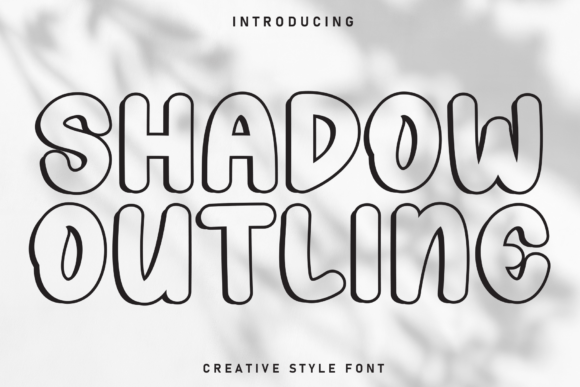
I was sitting at my desk, staring at a blank canvas for a new digital magazine layout, trying to find the perfect visual anchor. The content was ready—sharp articles on mindful living and sustainable design—but the typography felt flat. I needed something that could command attention without shouting, something that balanced professionalism with an approachable warmth. That is when I decided to test Shadow Outline, a casual and neat display font that combines simplicity with a friendly, approachable vibe. Featuring clean lines, balanced letterforms, and subtle rounded edges, it captures the essence of modern editorial grace. What started as a quick experiment quickly became the cornerstone of my entire design system.
Why Shadow Outline Works for Lifestyle Blog Headers
When designing for a lifestyle blog, the header is the first handshake with your reader. It sets the tone before a single word of body copy is read. Shadow Outline excels in this role because its geometric yet softened structure feels inviting rather than rigid. Unlike harsh sans serifs that can feel corporate, or overly decorative scripts that sacrifice readability, this typeface strikes a middle ground. It brings a sense of calm authority to blog headers, making your publication identity feel established yet accessible. The subtle rounded edges soften the visual impact, allowing readers to engage with your brand voice immediately. For creators building a personal brand or a niche community, using Shadow Outline for main titles ensures that your site looks polished across all devices, from mobile screens to desktop monitors.
Enhancing Readability in Digital Magazine Layouts
One of the biggest challenges in digital publishing is maintaining visual hierarchy while keeping the user engaged. A display font like Shadow Outline serves as an excellent tool for section headings and pull quotes. Its distinct character draws the eye, breaking up long blocks of text and guiding the reader through the article. In my recent project, I used the font for chapter openers and subheadings within a long-form feature on interior design. The clean lines provided enough contrast against the body text to create clear separation, while the balanced letterforms ensured that even smaller sizes remained legible. This balance is crucial for retaining reader attention; if a heading is too difficult to scan, readers bounce. If it is too plain, they disengage. Shadow Outline manages to be both distinctive and functional, supporting the flow of information without distracting from the content itself.
Using Shadow Outline for Printable Planners and Worksheets
The rise of digital products has created a massive demand for high-quality typography in printable guides, coaching workbooks, and planners. These materials require a font that feels structured enough to convey organization but human enough to feel encouraging. Shadow Outline fits this niche perfectly. When designing a weekly planner or a self-care workbook, the neatness of the font communicates efficiency, while the friendly vibe suggests support. I recently designed a series of affirmation cards and task trackers using this typeface. The result was a product that felt premium and thoughtful. Clients often tell me that the aesthetic of their digital downloads impacts their perceived value, and investing in a well-crafted display font like Shadow Outline elevates the entire package. It transforms a simple PDF into a branded experience that users are proud to print and use.
Pairing Display Fonts with Body Copy for Cohesion
No display font exists in isolation; its true power is revealed in how it interacts with other typefaces. For editorial design, pairing a strong display font with a highly readable serif or sans serif font for body copy is standard practice. Shadow Outline pairs beautifully with classic serif fonts for book chapters or newsletter narratives, creating a sophisticated contrast between the decorative title and the comfortable reading text. Alternatively, pairing it with a clean sans serif font works wonders for modern tech blogs or minimalist fashion publications. The key is to let the display font do the heavy lifting for branding while the body font handles the grunt work of communication. By choosing Shadow Outline as your headline font, you free yourself to select a body font based purely on readability metrics, knowing that the overall composition will remain harmonious. This strategic font pairing is essential for maintaining consistency across various platforms, including social media graphics and email newsletters.
Editorial Appeal in Wedding Guides and Event Materials
Beyond digital content, Shadow Outline has found a natural home in the world of event design, particularly for wedding guides and invitation suites. The wedding industry relies heavily on typography to convey mood, and there is a growing trend toward designs that are elegant but not overly ornate. The clean lines and balanced letterforms of this font provide a timeless elegance that avoids the clichés of traditional script fonts. It feels contemporary and fresh, appealing to modern couples who want their stationery to reflect a refined taste. Whether used for the main invitation header, menu labels, or welcome signs, the font’s subtle rounded edges add a touch of softness that complements floral elements and delicate paper textures. Using a versatile display font like Shadow Outline allows designers to create cohesive lookbooks that transition seamlessly from digital save-the-dates to physical print materials.
Visual Hierarchy in Newsletter Graphics
Email marketing remains one of the most effective channels for direct audience engagement, but newsletter graphics often suffer from cluttered design. A strong typographic choice can cut through the noise. When designing header images for weekly newsletters, I rely on fonts that are bold enough to be read at thumbnail size yet detailed enough to reward closer inspection. Shadow Outline offers this dual benefit. Its unique outline style creates visual interest without requiring heavy color blocking or complex illustrations. This makes it an efficient choice for creators who need to produce consistent, high-quality graphics regularly. The font’s ability to stand out against solid backgrounds or subtle patterns ensures that your subject line preview or featured article title grabs attention in crowded inboxes. By integrating Shadow Outline into your email template, you reinforce brand recognition every time a subscriber opens their mail.
Practical Considerations for Commercial Use
Before implementing any new typeface into a commercial project, it is vital to understand the technical specifications and licensing terms. When evaluating Shadow Outline, designers should check for included styles, alternates, and ligatures that might enhance specific words or phrases. Multilingual support is another critical factor for global audiences; ensuring the font supports the necessary character sets prevents awkward substitutions in international publications. Furthermore, verifying the file formats available—such as OTF, TTF, or WOFF—is essential for web implementation. Commercial font licensing varies widely, so understanding whether the license covers ebooks, templates, printables, and client publications is necessary to avoid legal issues. Taking the time to review these details ensures that the investment in the font yields maximum creative freedom and legal peace of mind.
Building a Sustainable Brand Identity with Typography
Typography is more than just letters; it is the voice of your brand. Choosing a font like Shadow Outline signals to your audience that you value clarity, aesthetics, and user experience. It reflects a design philosophy that prioritizes the reader’s journey through thoughtful, intentional choices. As you build your portfolio of digital products, blog layouts, and editorial features, consistency in typography helps establish trust and familiarity. Readers begin to associate the clean, friendly lines of your headlines with the quality of your content. This association is powerful. It turns casual visitors into loyal followers who return not just for the information, but for the experience. By selecting a display font that balances simplicity with personality, you lay the groundwork for a brand identity that is both memorable and enduring.