Smart Styles Typeface Review: Elevating Editorial Design
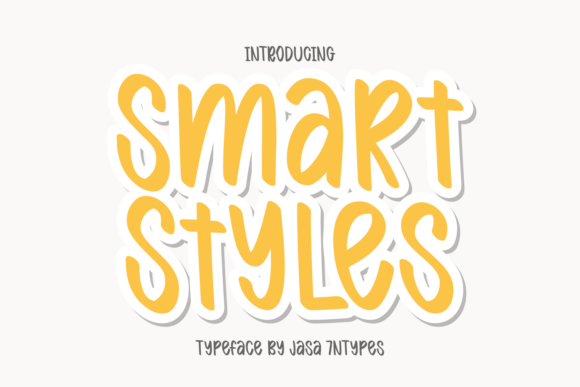
The cursor blinked on the blank canvas of a new newsletter graphic. It was 7:00 AM, and the coffee hadn’t quite kicked in yet. I was tasked with redesigning the header for a weekly lifestyle digest that needed to feel approachable yet authoritative. The brief called for something warm, personal, and distinctly human—traits that often get lost in the sea of sterile sans-serifs dominating digital feeds. That was when I pulled Smart Styles from my library. This isn’t just another decorative typeface; it is a bold and energetic handwritten display font designed to bring fun and friendliness into any project. With its casual strokes and rounded terminals, it immediately softened the rigid grid of the layout, turning a standard email header into an inviting conversation starter.
Smart Styles Handwritten Font for Newsletter Headers and Digital Branding
In the realm of modern typography, few things capture attention quite like a well-executed script or handwritten style, provided it doesn’t sacrifice legibility. When testing Smart Styles as a primary headline element for a creator’s newsletter, the difference was palpable. Unlike rigid block letters that can feel distant, this display font introduces a sense of movement and rhythm that guides the eye naturally across the screen. The rounded terminals are particularly effective here, preventing sharp edges from clashing with the soft, organic imagery often used in lifestyle content. For independent content brands and newsletter writers looking to establish a consistent editorial voice, using Smart Styles for titles and section headers creates an immediate emotional connection with the reader. It signals that the content inside is crafted with care, not generated by an algorithm. The font’s playful nature ensures that even if the subject matter is serious, the presentation remains accessible and engaging, a crucial balance in today’s saturated digital landscape.
Smart Styles Display Type for Printable Planners and Workbooks
Transitioning from digital screens to physical paper reveals another dimension of this typeface’s utility. I recently applied Smart Styles to a coaching workbook designed for small business owners. The goal was to make the instructional pages feel less like a textbook and more like a friendly guide. As a creative font, it excels in these contexts where personality is paramount. The bold weight of the characters commands attention without overwhelming the surrounding body text. When used for chapter openers or key takeaways, the font adds visual hierarchy that helps readers navigate dense information effortlessly. However, practical experience dictates that this font should be reserved for larger points. Its expressive character makes it ideal for cover text, decorative accents, and pull quotes, but it lacks the subtle refinement required for long-form reading. By pairing Smart Styles with a clean sans serif font for captions and navigation, the design maintains a professional structure while allowing the handwritten title to shine. This combination supports publication identity by blending authority with approachability, a hallmark of successful editorial design.
Smart Styles Typeface for Wedding Guides and Lifestyle Ebooks
One of the most compelling use cases for this font lies in the niche of celebratory and aspirational content. During a test run for a digital wedding guide, I found that Smart Styles brought an elegance that felt both timeless and contemporary. The casual strokes mimic the fluidity of calligraphy without the complexity of a full script font, making it easier to read at smaller sizes on mobile devices. This is critical for ebook creators and printable sellers who need their designs to render beautifully across various platforms. Whether designing a recipe ebook where the dish names need to pop, or a travel journal where location headers set the mood, the font’s versatility shines. It bridges the gap between formal tradition and modern minimalism. Readers appreciate this duality; it feels curated rather than mass-produced. For authors and magazine designers, leveraging Smart Styles in these specific niches allows them to stand out in crowded marketplaces by offering a distinct visual identity that resonates with audiences seeking authenticity and warmth.
Readability Considerations for Screen and Print Layouts
While the aesthetic appeal of Smart Styles is undeniable, a responsible designer must always prioritize readability. In my testing, I observed that the font performs exceptionally well as a display element but requires careful handling when scaled down. On high-resolution screens, the rounded terminals remain crisp, ensuring that the "handwritten" illusion holds up under scrutiny. However, attempting to use this font for body copy or small captions quickly becomes a strain on the reader’s eyes. The irregular baseline and varying stroke widths, which give the font its charm, disrupt the smooth horizontal flow necessary for efficient reading. Therefore, it is best suited for short bursts of text: article titles, social media graphics, and logo design elements. For longer reading experiences, such as blog posts or PDF exports, it should be paired with a highly legible serif font for the main text. This strategic font pairing ensures that the publication identity remains cohesive while respecting the cognitive load of the audience. Understanding these limitations is key to maintaining a professional standard in editorial design.
Commercial Licensing and Integration into Design Assets
Before integrating Smart Styles into any client publication or paid digital download, verifying the commercial font licensing is essential. This premium font offers significant value for designers looking to enhance their brand identity, but understanding the scope of its usage rights protects both the creator and the end-user. Many users overlook the importance of checking included styles, alternates, and ligatures, which can dramatically expand the creative possibilities of a single typeface. Does the package support multilingual characters if your audience is global? Are there different weights available to create contrast within a layout? These details matter when building comprehensive design assets. Furthermore, considering how the font interacts with other design elements—such as packaging design or web design components—ensures a unified look across all touchpoints. By treating Smart Styles not just as a decoration but as a core component of your visual strategy, you elevate the perceived quality of your work. It transforms simple text into a memorable brand experience, driving engagement and fostering loyalty among your readership.
Final Implementation Tips for Editorial Designers
- Maintain White Space: Allow the expressive nature of Smart Styles to breathe. Crowded layouts diminish its impact.
- Limit Usage: Reserve the font for headlines and accents to preserve its special status and prevent visual fatigue.
- Test Contrast: Ensure sufficient color contrast between the handwritten style and the background, especially for accessibility compliance.
- Pair Wisely: Always pair with neutral, readable fonts to ground the energy of the display typeface.