Wet Ink Typeface Review: Elevating Handmade Brand Aesthetics
I was staring at a blank Canva canvas, trying to figure out why my latest batch of soy candle labels felt flat. The wax was perfect, the jar was clean, but the typography lacked that "hand-poured" soul I was chasing. That’s when I stumbled upon Wet Ink. It wasn’t just another font file in my library; it was a design-forward choice that immediately lent a unique flair and aesthetic vigor to my mockup. As a maker who spends hours tweaking kerning and testing print resolutions, I decided to put this captivating, artistically original font through its paces on real shop materials to see if it could truly transform product presentation.
Why Wet Ink Works for Boutique Packaging Design
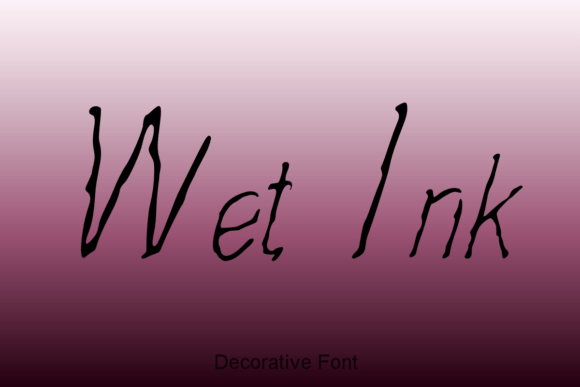
Wet Ink is not merely a text tool; it is a statement piece designed to simulate tactile wet-ink impress, giving your digital assets an organic, physical weight. When I first imported the files into Illustrator, the immediate appeal was its display nature. Unlike standard serif or sans serif fonts that can feel sterile, this typeface carries a mood—slightly imperfect, deeply human, and undeniably premium. For boutique packaging design, where shelf presence (or scroll-stopping power on Etsy) is everything, this visual personality bridges the gap between digital creation and physical craft.
The font’s ability to mimic the look of fresh ink allows it to stand out without needing heavy graphics or complex illustrations. I tested it on a minimalist kraft paper label mockup, and the contrast between the rough texture of the paper and the fluid, dark lines of the letters created an instant sense of quality. It suggests that the product inside is artisanal and carefully made. This aesthetic vigor is crucial for small business owners looking to establish a strong brand identity without hiring a custom illustrator for every single SKU. By using a creative font like Wet Ink, you are essentially outsourcing the "vibe" to the typography itself, allowing your product photography to shine while the text anchors the emotional appeal.
Best Use Cases for Short Phrases and Titles
While Wet Ink is stunning, it is strictly a Display font intended for headlines, titles, and short phrases. I found it absolutely magical for product names, such as "Lavender Honey Soap" or "Small Batch Candle." However, it struggled with longer sentences. The artistic flourishes that make it beautiful become distracting when reading dense information. For instance, I tried using it for ingredient lists on a sticker sheet, and the result was cluttered and hard to scan. The rule of thumb here is clarity over creativity for functional text. Keep Wet Ink for the hero elements—the big words that catch the eye—and let it do the heavy lifting of setting the tone.
Wet Ink for Wedding Invitations and Elegant Branding
One of the most surprising discoveries during my testing was how well Wet Ink translated to wedding stationery and high-end event branding. Typically, weddings call for delicate scripts or rigid classics, but there is a growing trend toward rustic elegance and modern boho styles where a bolder, more expressive typeface shines. I used Wet Ink for a welcome board mockup and a set of place cards, pairing it with a simple, thin sans serif font for the details. The combination worked seamlessly because the display font provided the character while the supporting type handled the readability.
This versatility makes it a valuable asset for invitation designers who want to offer clients something unique. The font’s capacity to lend a unique flair means it can adapt to various themes—from farmhouse chic to modern gallery openings. When designing digital downloads or printable wall art, this font adds a layer of sophistication that generic templates lack. Customers scrolling through marketplaces are drawn to designs that look professionally curated, and a well-placed headline in Wet Ink signals that level of care. It transforms a simple greeting card into a keepsake, enhancing the perceived value of the item before the customer even touches it.
Font Pairing Strategies for Cohesive Designs
To get the most out of Wet Ink, thoughtful font pairing is essential. Because it is so visually dominant, it needs a quiet partner. I recommend pairing it with a clean sans serif font for body text or data-heavy sections, such as dates, times, or instructions. Alternatively, a simple serif font can add a touch of traditional elegance if your project leans classic. Avoid pairing it with other script or handwritten fonts, as the competition for attention will result in visual chaos. The goal is balance: let Wet Ink be the voice, and let the secondary font be the listener. This hierarchy ensures that your design remains legible while still packing an aesthetic punch.
Testing Wet Ink on Digital Downloads and Printables
For printable creators, efficiency and compatibility are key. I downloaded the Wet Ink files and checked the included styles, alternates, ligatures, and swashes. The variety offered in the package allowed me to tweak the design slightly for different projects without changing fonts entirely. For example, using a swash variant added extra drama to a holiday tag design, while the standard weight kept a planner page header looking neat. Checking the file formats was also straightforward; the inclusion of standard OTF/TTF files meant easy integration with Cricut Design Space, Silhouette Studio, and Adobe Creative Cloud.
I specifically tested the font on SVG-style designs for vinyl cutting. The vector paths held up beautifully, maintaining their smooth curves even when scaled down for small sticker sheets. However, I did encounter issues with very tiny cuts. If you plan to use Wet Ink for micro-labels or intricate decals under half an inch, the fine details may break or blur during the cutting process. In these cases, sticking to larger sizes or simplifying the design is necessary. Always preview your text at actual size in your cutting software to ensure the decorative elements remain intact. This proactive check saves time and material waste, ensuring your final product looks as polished online as it does in hand.
Commercial Licensing and Product Label Readability
As a handmade seller, understanding commercial font licensing is non-negotiable. Before selling physical products, templates, printables, or merchandise featuring Wet Ink, it is vital to review the specific license agreement. Most premium fonts allow for physical product sales but may have restrictions on the number of items or require a specific commercial license tier. Ensure you have the rights to use the typeface for your business model, whether you are printing shirts, mugs, tote bags, or seasonal products. This protects your shop from legal issues and respects the designer’s work.
Finally, consider the end-user experience. If you are creating DIY kits or template packs, remind buyers about readability. While Wet Ink is excellent for catching attention, it should not be used for technical product instructions or dense label information. Guide your customers to use it for decorative purposes only. By providing clear usage guidelines alongside your design assets, you enhance the user experience and reduce returns or negative reviews due to illegibility. Ultimately, Wet Ink is a powerful tool for makers who want to elevate their brand from amateur to professional. Its artistic originality and tactile simulation make it a standout choice for any project that demands aesthetic vigor and memorable style.