Heart Break Typeface Review: A Retro Display Font for Bold Branding
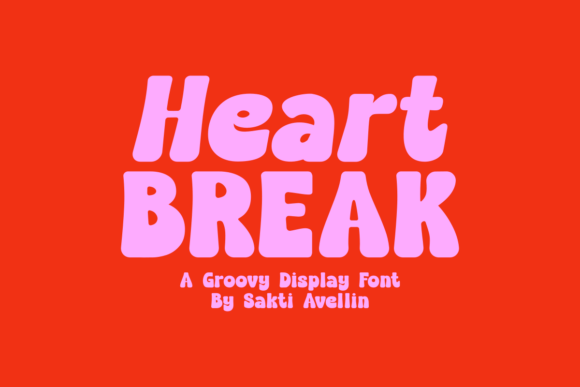
I opened a blank Figma file this morning, staring down the barrel of a brand board for a new boutique skincare line called "Velvet & Vine." The brief asked for something that felt luxurious but approachable, with a nod to vintage apothecary aesthetics. I scrolled through my usual library of clean sans-serifs and modern serifs, feeling that familiar creative block. Then I dragged in Heart Break. It wasn’t just another decorative typeface; it was an immediate mood setter. Introducing Haert Break, a charismatic and retro-inspired typeface that effortlessly combines sophistication and fun. Awash with a groovy vintage feel, this font infuses every expression with a touch of personality that static geometric fonts simply cannot match. What started as a quick experiment on a logo concept quickly evolved into a full visual identity system, proving why this display font deserves a spot in your premium font collection.
Heart Break for Boutique Skincare Packaging and Product Labels
When I first placed Heart Break on a mockup jar label for Velvet & Vine, the transformation was instant. This isn’t a font you use for fine print; it is a display typeface designed to command attention at eye level. The characters have a distinct weight and curvature that evoke the 1970s without tipping into caricature. On the packaging design, the letters sat beautifully against the matte cream background, offering a sophisticated contrast to the minimalist botanical illustrations I had sketched out. Because Heart Break is a display font, it excels in short phrases rather than long sentences. I used it for the brand name and key product benefits like "Hydrating" or "Pure," where its unique letterforms could shine. The visual hierarchy it created was natural and intuitive, guiding the consumer’s eye exactly where I wanted it to go. For handmade sellers and online shop owners looking to elevate their product labels from generic to gallery-worthy, this font provides that instant boost of perceived value.
Logo Design Applications for Creative Studios
A strong logo needs to be memorable, scalable, and distinctive. In testing Heart Break for a creative studio identity, I found its versatility surprising. While many retro fonts struggle with legibility when scaled down, Heart Break maintains its character even in smaller applications. I tested it on a business card layout, pairing the bold headline with a clean, neutral sans serif font for contact details. The juxtaposition worked perfectly—the playful nature of the display font balanced the professional necessity of the supporting text. It proved that Heart Break can serve as both a logo font and a headline accent. However, I did notice that extremely thin weights might lose definition on low-resolution digital screens or small merchandise tags. For most logo design projects, especially those targeting a youthful or artistic demographic, the mid-weight variations offer the best balance of readability and style.
Heart Break for Social Media Graphics and Digital Marketing
In the world of social media graphics, stopping the scroll is everything. I took the same branding assets and adapted them for Instagram posts and Facebook ads. The fonts we choose for digital platforms need to render sharply on high-DPI screens, and Heart Break delivered. Its groovy vintage feel resonated well with content creators who want to stand out in a feed saturated with sterile, corporate-style templates. I created a series of quote cards and promotional banners using the font as the primary visual element. The curves of the 'H' and the sharp terminals of the 'K' added a dynamic rhythm to the layouts. When paired with vibrant, warm color palettes, the typography became the hero of the image. It is particularly effective for event flyers, concert posters, and limited-time offers where urgency and style need to coexist. Marketers and bloggers will appreciate how easily this creative font bridges the gap between nostalgic charm and modern digital consumption habits.
Web Design Headers and Editorial Layouts
Moving from print to web design, I explored using Heart Break for website headers and editorial sections. Web design often demands strict adherence to loading speeds and accessibility standards, which can limit typographic choices. However, as a secondary or tertiary font, Heart Break adds significant flair to homepage hero sections or blog post titles. I set up a simple landing page structure, using a highly readable sans serif font for body copy and reserving Heart Break for H1 and H2 tags. The result was a site that felt curated and intentional. It avoided the "template fatigue" that plagues so many small business websites. For editorial design, such as magazine covers or newsletter headers, the font’s personality allows the text to carry visual weight without needing heavy imagery. Just remember that while it looks stunning on a desktop monitor, always test your webfont implementation to ensure it doesn’t clash with mobile viewports. Responsive design requires careful adjustment of font sizes to maintain the impact of this display typeface across all devices.
Font Pairing Strategies for Cohesive Brand Identity
No single typeface tells the whole story, and Heart Break is no exception. To build a complete brand identity, you need to know how to pair it correctly. My recommendation is to let Heart Break be the voice of personality, while a neutral companion handles the heavy lifting of information. I experimented with pairing it with a classic serif font for a more literary, established look, and also tried a geometric sans serif for a sharper, more contemporary edge. The sans serif pairing generally felt more versatile for commercial use, providing a clean canvas that allowed the retro elements of Heart Break to pop without competing for attention. Avoid pairing it with other script fonts or overly decorative handwritten fonts; the competition for visual interest will create chaos. Instead, keep the supporting typography simple, unobtrusive, and highly legible. This strategy ensures that your brand perception remains professional and consistent, even when using a playful decorative font.
Technical Considerations and Licensing for Commercial Use
Before finalizing any client work, it is crucial to review the technical specifications included in the download. Typically, a premium font package includes multiple weights, alternates, and perhaps some swashes or ligatures that enhance the design possibilities. Check if the file formats include both OTF and TTF versions for maximum compatibility with design software like Adobe Illustrator, Photoshop, and InDesign. Also, verify if webfont licenses (WOFF/WOFF2) are included if you plan to embed the typeface directly into HTML/CSS code. From a legal standpoint, always read the end-user license agreement carefully. Using a commercial font in client work, packaging, templates, merchandise, websites, digital products, or print-on-demand products usually requires a specific commercial license. Ensure you are covering the intended scope of use to avoid copyright issues. Taking the time to understand these technical and legal aspects protects your reputation as a designer and ensures your clients are compliant.
Is Heart Break Right for Your Next Project?
After testing Heart Break across logos, packaging, social media, and web headers, it is clear that this typeface is a powerful tool for designers seeking character. It is not a universal solution; it will not work for formal corporate reports, legal documents, or any project requiring dense blocks of body text. But for brands that want to communicate fun, sophistication, and a touch of nostalgia, it is an excellent choice. Whether you are a freelancer refreshing a local restaurant’s visual identity or a crafter designing labels for your Etsy shop, Heart Break offers the visual punch needed to make a lasting impression. By integrating this display font thoughtfully into your modern typography system, you can create design assets that feel timeless yet current. If you are looking to add a charismatic, retro-inspired element to your next branding project, Heart Break is definitely worth adding to your toolkit.