Montreal Typeface: A Designer’s Guide to Friendly Display Fonts
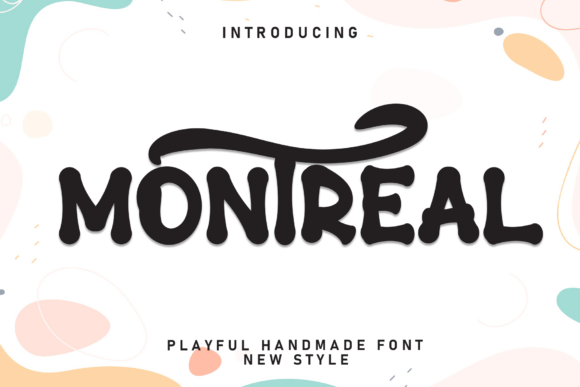
I opened a blank Figma file and stared at the white canvas. The client wanted a visual identity for a new artisanal skincare line, but they didn’t want anything too clinical or overly luxurious. They wanted approachable. They wanted neat. They wanted a vibe that felt like a Saturday morning in a quiet neighborhood café. That was when I pulled up Montreal, a casual and neat display font that combines simplicity with a friendly, approachable vibe. It wasn’t just another typeface on my shelf; it felt like the missing piece of the puzzle.
In this article, I’m sharing how I tested Montreal for a real branding project, from the first rough mockup to the final brand guidelines. If you are a graphic designer looking for a versatile Display typeface that balances professionalism with warmth, this story might help you decide if Montreal is the right Fonts choice for your next creative endeavor.
Why Montreal Works as a Modern Display Font for Branding
When I first downloaded the Montreal files, I immediately noticed its structural integrity. Unlike many trendy fonts that sacrifice legibility for style, Montreal features clean lines, balanced letterforms, and subtle rounded edges. These characteristics capture the essence of modern minimalism without feeling cold or sterile. For a branding project, especially one targeting small businesses or lifestyle brands, this balance is crucial.
As a display font, Montreal is designed to be seen. It commands attention in headlines and logos while maintaining enough restraint to not overwhelm the viewer. I found that using Montreal for primary headings created an instant sense of trust and clarity. The rounded edges soften the typography, making the brand feel more human and less corporate. This is particularly effective in industries like wellness, food and beverage, and handmade goods, where authenticity is key.
The font’s versatility also shines in its weight distribution. While it serves beautifully as a bold headline, lighter weights can still hold their own in subheadings. This flexibility allows designers to create strong visual hierarchy without needing to introduce a second typeface immediately. In my experience, a well-chosen display font like Montreal can carry a significant portion of a brand’s visual weight, simplifying the overall design system.
Montreal for Packaging Design and Product Labels
One of the most challenging aspects of branding is translating digital designs into physical products. I took my initial logo concepts featuring Montreal and placed them on packaging mockups—specifically, minimalist glass jars with matte black labels. The result was striking. The clean geometry of the letters stood out sharply against the dark background, while the subtle curves added a touch of elegance that resonated with the premium yet accessible nature of the product.
Packaging design requires typography that works at small sizes. Many decorative fonts become illegible when printed on a small label, but Montreal maintains its readability even at reduced scales. I tested the font on various label sizes, from tiny ingredient stickers to larger front-facing boxes. The balanced letterforms ensured that no character felt cramped or distorted. This makes Montreal an excellent choice for product labels where space is limited but brand recognition is paramount.
Furthermore, the font’s friendly aesthetic aligns perfectly with current trends in sustainable and eco-friendly branding. Brands that want to communicate transparency and care often avoid sharp, aggressive typography. Montreal’s approachable vibe supports this narrative, helping products stand out on crowded shelves by offering a visual cue of quality and thoughtfulness. When designing for e-commerce, where customers cannot touch the product, these visual cues become even more critical in driving engagement and conversion.
Montreal in Digital Marketing and Social Media Graphics
Digital platforms demand speed and clarity. On social media, users scroll quickly, so your typography needs to grab attention instantly. I used Montreal to create a series of Instagram posts for the skincare brand, focusing on quotes and product highlights. The font’s high contrast and clear structure made the text pop against both solid color backgrounds and photographic images.
Using Montreal for social media graphics allowed me to maintain consistency across different post types. Whether it was a promotional flyer, an event announcement, or a simple quote card, the font provided a cohesive thread. Its casual nature prevented the content from feeling too stiff or salesy, which is essential for building community and engagement online. Followers responded better to content that felt personal and inviting, and Montreal played a huge role in achieving that tone.
For web design, Montreal served excellently as a hero section headline. Website headers need to load quickly and render crisply on all devices. As a standard font format, Montreal performed flawlessly across browsers. The clean lines translated well to screen pixels, avoiding any jagged edges or blurriness. This technical reliability, combined with its aesthetic appeal, makes it a practical choice for web design projects where user experience and visual impact go hand in hand.
Font Pairing Strategies with Montreal
While Montreal is powerful on its own, pairing it correctly can elevate a design to the next level. Because Montreal is a sans-serif display font with rounded edges, it pairs exceptionally well with serif fonts for body text. The contrast between the geometric, friendly display font and a traditional, readable serif creates a sophisticated yet modern look.
In my project, I paired Montreal with a classic serif typeface for long-form editorial content and website body copy. This combination worked because the serif provided stability and authority, balancing the playfulness of Montreal. Alternatively, for a more contemporary and minimalist aesthetic, Montreal can be paired with a neutral sans-serif font. This creates a monochromatic typographic scheme that feels very clean and organized.
Avoid pairing Montreal with other display fonts that have similar personality traits, such as heavy scripts or highly decorative handwritten fonts. Doing so can create visual clutter and dilute the brand message. Instead, let Montreal be the star of the show for headlines and logos, while supporting typefaces handle the detailed information. This strategy ensures that the brand identity remains focused and memorable.
Practical Tips for Testing Montreal Before Purchase
Before committing to any commercial font license, it is vital to test the typeface thoroughly. Start by downloading the trial version if available, or use the included styles to experiment with different weights and combinations. Check for multilingual support if your brand operates internationally; ensuring that accents and special characters render correctly is essential for global appeal.
Pay close attention to the kerning and spacing within the font file. Good design assets come with well-adjusted kerning pairs that save time during the layout process. Test Montreal in various contexts: on business cards, on large-format posters, and on small mobile screens. Observe how the subtle rounded edges behave at different resolutions. If the font looks crisp and maintains its friendly character across all mediums, it is likely a strong candidate for your project.
Finally, review the licensing terms carefully. Ensure that the license covers all intended uses, including digital, print, and merchandise. Understanding the commercial usage rights protects your business from legal issues down the line. By taking the time to test and verify, you ensure that Montreal integrates seamlessly into your brand identity, delivering the professional and approachable results you envisioned from the start.