Outline Alphabet Typeface: A Web Designer’s Take on Warm, Handcrafted Display Fonts
I was staring at a blank Figma canvas, trying to solve a common problem for a boutique coaching client. The site needed to feel professional yet deeply personal, but every standard sans-serif felt too cold and every script font felt too chaotic. That’s when I pulled Outline Alphabet into the project. It wasn’t just another decorative typeface; it was an irresistibly intimate handcrafted typeface brimming with a friendly allure that immediately shifted the mood of the entire layout. This article breaks down how this specific display font can transform your digital brand experience, from hero sections to mobile interfaces.
Why Outline Alphabet Works for Intimate Digital Branding
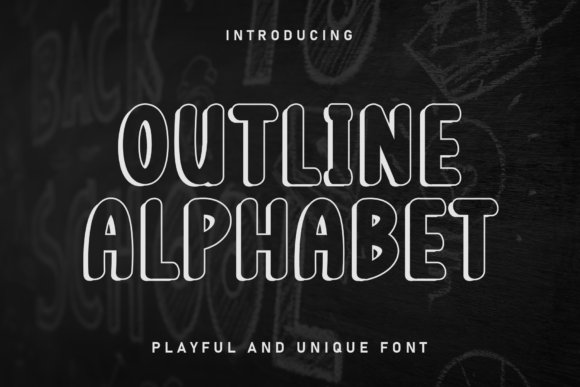
When you select Outline Alphabet, you are choosing a display font that prioritizes emotional connection over rigid structure. In web design, we often struggle to balance readability with personality. Most decorative fonts fail because they sacrifice legibility for style, but Outline Alphabet strikes a rare balance. Its open counterforms and airy construction make it surprisingly accessible even at smaller sizes, provided it is used correctly as a supporting or accent element rather than body copy.
The visual character of this font is defined by its "wonder" factor—a subtle playfulness in the letter shapes that invites the user to look closer. For digital product creators, this means higher engagement rates on landing pages where you need to capture attention within seconds. By using this font for headlines, you imbue your artistic projects with warmth, joy, and an element of surprise. It transforms a sterile corporate page into a welcoming space that feels curated and human. When testing this font in a real-world scenario, I found that it instantly elevated the perceived value of the brand, making even simple black-and-white layouts feel premium and thoughtful.
Using Outline Alphabet in Hero Sections and Landing Pages
The most impactful way to integrate Outline Alphabet is in high-visibility areas like hero headers and campaign landing pages. In my recent project for a creative portfolio, I replaced the default bold sans-serif headline with Outline Alphabet. The result was immediate: the text seemed to float against the background, creating a sense of lightness and elegance. Because it is a display font, it demands space. I left generous whitespace around the headline to let the unique outlines breathe, which significantly improved the visual hierarchy.
For online store owners and course creators, this approach works exceptionally well for promotional banners. Imagine a sale announcement or a new course launch where the main title uses Outline Alphabet. The friendly allure of the letters makes the offer feel less like a transaction and more like an invitation. However, keep in mind that outline styles can sometimes struggle against busy backgrounds. To maintain clarity, I always recommend placing these fonts over solid color blocks or heavily blurred image overlays. This ensures that the delicate lines of the typeface remain distinct, preserving the integrity of the design across different devices.
Mobile Responsiveness and Readability Checks
One of the first things I checked after applying Outline Alphabet was its performance on mobile screens. Display fonts often lose their impact when scaled down too far. In this case, the font remained legible down to 24px, but below that, the outlines began to merge. Therefore, I advised the client to use this font exclusively for H1 and H2 headings on mobile, switching to a clean, neutral sans-serif for paragraphs and subheadings. This strategy ensures that the "warmth" of the brand is communicated through the headline, while the content remains easy to scan. Fast-loading visual content is crucial for SEO, and since this is a vector-based font file, it loads instantly without the pixelation issues associated with image-based text.
Pairing Outline Alphabet with Body Copy Fonts
No single typeface can do everything, and Outline Alphabet is no exception. To build a cohesive digital identity, you need a reliable partner for body text. When designing with Outline Alphabet, I typically pair it with a geometric sans-serif or a highly readable humanist serif. The contrast between the playful, outlined display font and the structured, solid body text creates a dynamic tension that keeps the reader engaged.
For a minimalist aesthetic, a thin-weight sans-serif works beautifully, allowing the outline font to take center stage. For a more editorial or traditional look, a classic serif font adds depth and authority. This combination is particularly effective for blog redesigns and long-form content sites. The outline font sets the tone—friendly, artistic, and inviting—while the body font ensures that complex ideas are communicated clearly. This duality helps establish trust, as users perceive brands that pay attention to typographic harmony as more professional and reliable.
Creating Visual Rhythm with Font Weights
If the font family includes multiple weights, such as Light, Regular, and Bold, you can create sophisticated visual rhythms within your layout. Using the lighter weights for subheaders can add a delicate touch, while the bolder weights serve as strong anchors for key messages. In UI design, this versatility allows you to maintain consistency across different components, from navigation menus to footer credits. Always check the included styles before purchasing to ensure the weight range meets your project needs. A comprehensive set of alternates and stylistic sets can further enhance the uniqueness of your design assets.
Strategic Applications for Creative Professionals
Beyond standard website headers, Outline Alphabet offers versatile applications for various digital marketing materials. For social media graphics, this font stands out in crowded feeds due to its distinctive silhouette. It works wonderfully for quote cards, event announcements, and product teasers. The "element of surprise" mentioned in its description translates directly to click-through rates, as users are naturally drawn to typography that breaks the mold of standard Arial or Helvetica.
For SaaS founders and tech entrepreneurs who want to soften their brand image, incorporating this font into one-off landing pages or email newsletters can humanize the technology. It signals that behind the code is a team of people who care about aesthetics and user experience. Similarly, for packaging design extensions or digital brand kits, using Outline Alphabet as a logo accent or watermark adds a layer of sophistication. It bridges the gap between handcrafted artistry and modern digital precision, making it a powerful tool for any creative business owner looking to stand out.
Commercial Licensing and Implementation Best Practices
Before deploying Outline Alphabet on your live site, it is essential to review the commercial font licensing terms. Ensure that your license covers web embedding, especially if you plan to use it across multiple domains or high-traffic platforms. Proper implementation involves converting the font files to web-optimized formats (like WOFF2) to ensure fast load times and cross-browser compatibility. Test the font rendering on different operating systems, as some browsers may render outline strokes slightly differently than others.
Ultimately, choosing the right display font is a strategic decision that impacts user perception. Outline Alphabet provides a wonderful ingredient for designers seeking to inject warmth and joy into their work. By integrating it thoughtfully into your web design workflow, you create a polished online brand experience that resonates with your audience. Whether you are building a boutique online store, a coaching website, or a personal portfolio, this font offers the perfect blend of style and functionality to elevate your digital presence.